

Traditional carbonara
The traditional creamy carbonara recipe and how to make the perfect carbonara sauce at home, thanks to the tips of chef Luciano Monosilio.
- Easy
- 40 min
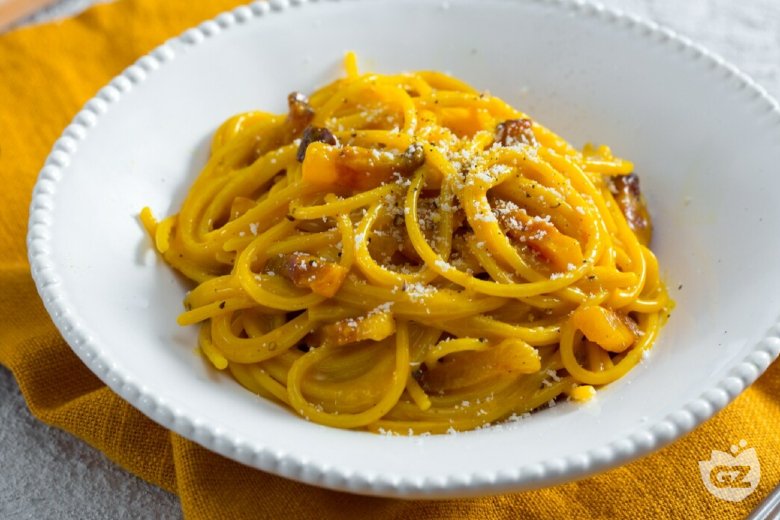
Carbonara has no cream — and this spaghetti carbonara recipe makes no concessions on that point. This is not a preference or a regional variation — it's the definition. The sauce is eggs, Pecorino Romano, black pepper, and guanciale, emulsified with pasta cooking water into something that coats each strand without scrambling. The technique is the whole recipe: if the heat is too high when the egg mixture goes in, you get scrambled eggs with pasta. If the pasta water is properly starchy and the temperature is right, you get carbonara.
The dish comes from Rome, where it's one of four canonical pasta preparations alongside amatriciana, cacio e pepe, and gricia — all built on the same short list of ingredients, all differentiated by technique rather than complexity. Four ingredients make up the carbonara recipe: eggs, Pecorino Romano, guanciale, and black pepper. Guanciale is the correct cured pork: cured cheek, fattier and more yielding than pancetta, which renders into something soft rather than crisp and leaves behind a cooking fat that carries into the sauce. Spaghetti is traditional; rigatoni holds the sauce differently and is equally defensible. The black pepper is not garnish — it's a structural ingredient, toasted and freshly cracked, present in enough quantity to be felt in every bite.
Half Pecorino, half Parmigiano is a common variation for a milder result. The purist version uses Pecorino Romano alone, which is sharper and saltier and the reason the dish needs no added salt beyond the pasta water.
You might also like:
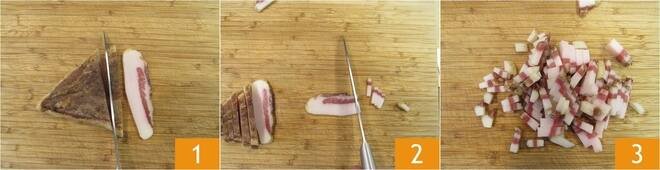
To prepare spaghetti carbonara, start by putting a pot of salted water on the stove to cook the pasta. In the meantime, remove the rind from the guanciale and cut it first into slices 1 and then into strips about 3/8-inch thick 2 3. The leftover rind can be reused to flavor other dishes.

Place the pieces of guanciale in a non-stick pan 4 and brown them for about 10 minutes over medium-high heat, being careful not to burn it, or it will release a strong aroma. Meanwhile, plunge the spaghetti into the boiling water 5 and cook them al dente. In the meantime, pour the yolks into a bowl 6.
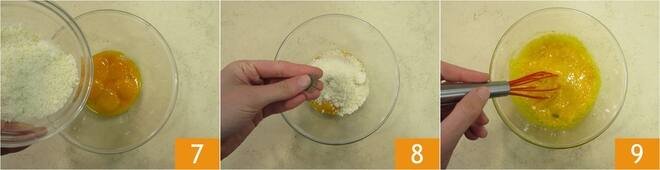
Add the Pecorino 7 and season with black pepper 8. Blend everything with a hand whisk 9 until you obtain a smooth cream.
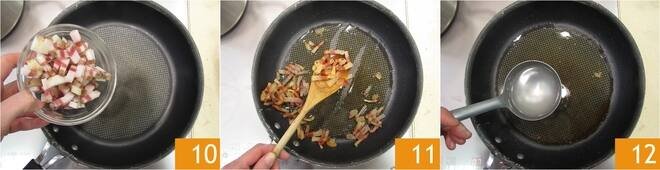
Meanwhile, the guanciale will be cooked 10; turn off the heat and using a slotted spoon, remove it from the pan, leaving the cooking base in the pan itself 11. Transfer the guanciale to a small bowl and set it aside. Pour a ladleful of pasta water into the pan 12, along with the guanciale fat.
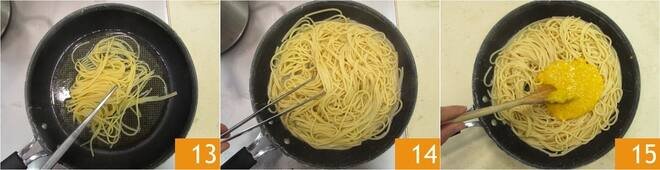
Drain the pasta al dente directly into the pan with the cooking base 13. Toss it briefly to flavor it 14. Remove from the heat and pour the egg and Pecorino mixture into the pan. Mix quickly to combine 15.
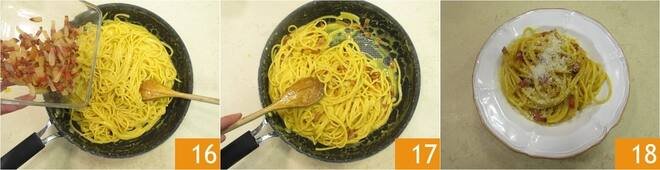
To make it creamy, if needed, you can add a little pasta cooking water. Add the guanciale 16, mix one last time 17, and serve the spaghetti carbonara immediately, adding more Pecorino on top and a pinch of black pepper 18.