5 Creamy Summer Pastas. No Cream
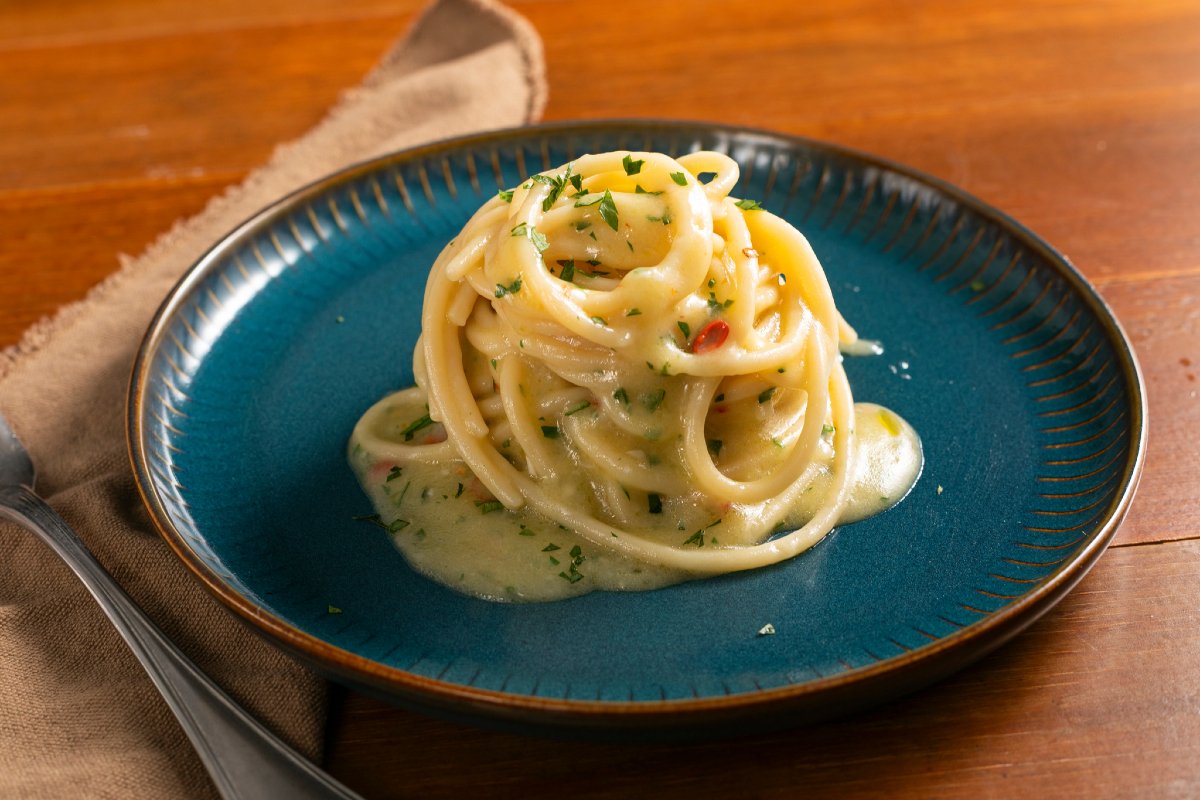
Think creamy pasta needs cream? These five Italian recipes prove otherwise — with techniques that use starchy water, blended…
Torta tenerina has been made in Ferrara since the early twentieth century and barely left the city for most of it. This is the recipe that stayed local while the rest of Italy chased other chocolate desserts — and why it is worth knowing now.
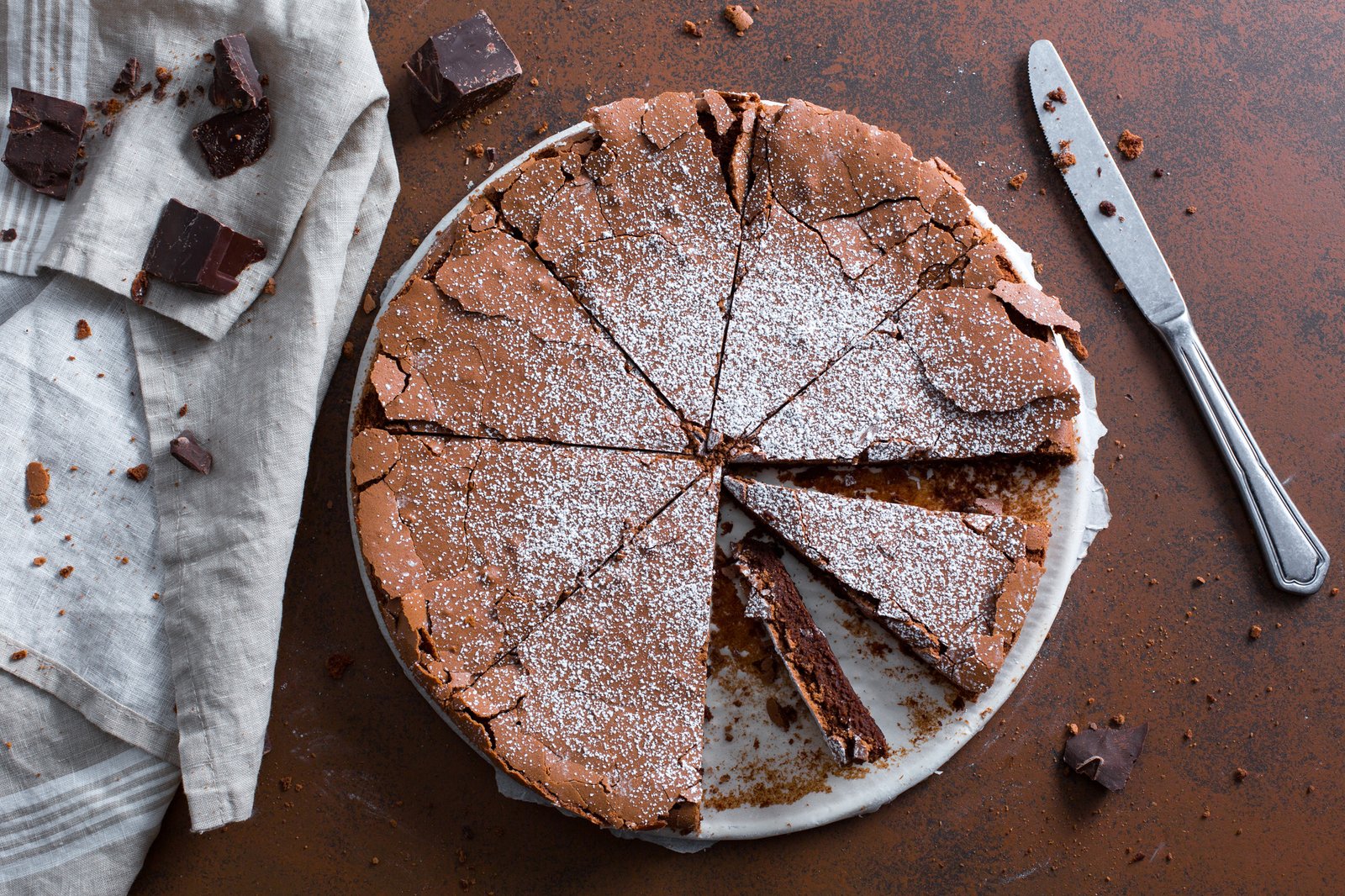
For most of the twentieth century, torta tenerina did not travel. It was made in Ferrara — a small city in Emilia-Romagna, the same region that gave the world Parmigiano Reggiano, Prosciutto di Parma, and Bolognese sauce — and largely unknown everywhere else, while the rest of Italy chased other chocolate desserts. The recipe is not complicated and the ingredients are not rare: dark chocolate, butter, eggs, sugar, and just enough flour to hold the structure together. What makes it different is the ratio, and the result that ratio produces: a crust that sets and cracks in the oven, and an interior that stays soft, dense, almost molten — heavier than a mousse, lighter than a brownie, closer to neither than to itself.
The name comes from the Ferrarese dialect. Tenerina means little tender one. Locally, it was also called torta taclenta — sticky — which is a more accurate description of what the center does when you cut into it warm. The recipe has been made in Ferrara since the early twentieth century. It has since traveled — helped in part by the rise of flourless chocolate cakes as a category in American baking — but the original version from Ferrara, made without leavening, remains the benchmark.
The comparison comes up often, and it is understandable: both are dense, both are chocolate-forward, both have that particular fudgy quality that makes them difficult to stop eating. But the technique is different in ways that produce a different result.
A brownie is built on melted butter and sugar, with eggs added for structure. The tenerina separates the eggs — yolks beaten with sugar until pale and thick, whites whipped separately and folded in — which gives the batter a lightness that a brownie does not have. The result is a cake that is simultaneously more delicate and more intense: the cracked crust has a slight crispness, the interior is almost custardy, and the chocolate flavor is concentrated rather than diluted by flour or leavening.
The timing is what most recipes get wrong. The Torta Tenerina is done when the edges are fully set and the center still has a slight tremble. Pull it too early and it collapses; leave it too long and the interior loses the soft density that defines it. It keeps well for several days at room temperature, and improves: the chocolate deepens and the texture becomes more cohesive by the second day.
Five ingredients. No leavening. Dust with powdered sugar before serving, or alongside whipped cream or fresh berries if you want to cut the intensity.
The logic of the tenerina translates directly to white chocolate, with one adjustment: white chocolate is sweeter and less bitter than dark, so the sugar drops and the flour increases slightly to compensate for the different fat structure. The result — White Chocolate Tenerina Cake — has the same cracked crust and soft interior, but a gentler, more delicate flavor. It is the version for anyone who finds dark chocolate too intense, and it pairs particularly well with fruit: raspberries, strawberries, or a spoonful of tart jam on the side.
Ferrara sits in Emilia-Romagna, where espresso is taken seriously. The Coffee-Flavored Tenerina Cake adds a small amount of moka-brewed coffee directly to the batter — enough to sharpen the chocolate without announcing itself as a separate flavor. The two reinforce each other in the way they always do: the coffee makes the chocolate taste more like chocolate, and the chocolate rounds the coffee's bitterness. The crust on this version tends to be slightly darker; the interior is the same soft, fudgy center as the classic.
The Raspberry Tenerina Cake introduces two changes to the classic formula: raspberries as a topping, and salted butter in the batter instead of unsalted. The salt is not incidental — it sharpens the chocolate and creates a counterpoint to the fruit that makes each bite more interesting than the sum of its parts. The base is the same five-ingredient structure, decorated after baking with a layer of hazelnut cream, fresh raspberries, Maldon salt flakes, and mint. It is the most visually striking of the four variations, and the easiest to adapt: any tart berry works in place of raspberries.
The furthest departure from the original is also the most surprising. The Pumpkin Tenerina Cake replaces chocolate entirely with roasted Delica pumpkin purée, which gives the batter its moisture and its color. Same technique, same cracked crust, same soft center — but golden, gently sweet, and naturally gluten-free. It demonstrates something useful about the tenerina as a structure: the technique is more portable than the ingredients.
The tenerina is one of those recipes that rewards restraint. The classic version needs nothing beyond what the recipe asks for — the five ingredients are already doing exactly the right amount of work. But once you understand what the technique produces and why, the variations follow naturally: swap the chocolate for white, add coffee to sharpen the flavor, replace it entirely with pumpkin in autumn. The crust will still crack. The center will still hold. That is the point.
Related: The Authentic Tiramisù: Italy's Most Misunderstood Dessert / Bolognese Meal Prep: Make It Once, Eat It All Week / The Rose Is Not Just a Flower: How Italians Bring It to the Table