5 Easy Italian Summer Recipes Where Lemon Steals the Show
Ready to let one ingredient carry your whole summer menu? These five Italian recipes put lemon front and center, from a no-cook…
In Italian kitchens, Bolognese is always made in bulk. Here's why — and five ways to turn one big batch into weeknight dinners all week long.
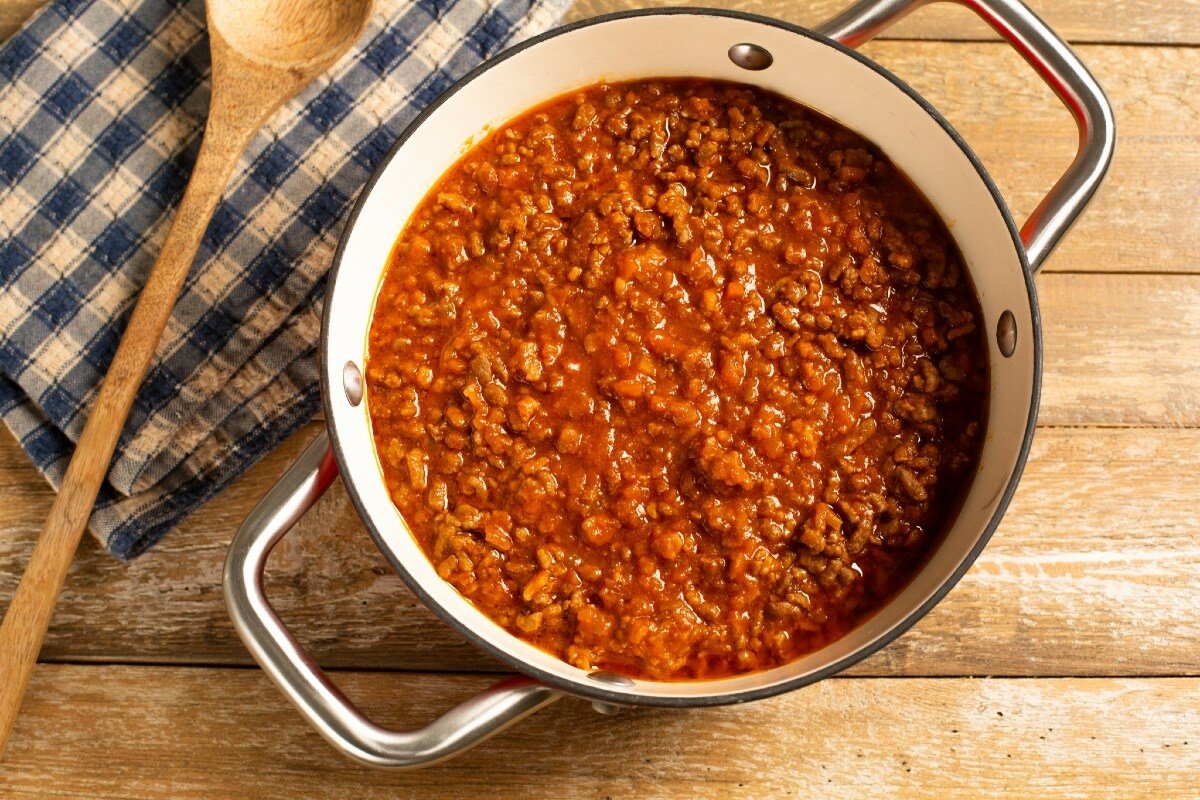
Ask any Italian home cook why they're making a pot of Bolognese big enough to feed twelve people when there are only four for dinner. They'll shrug. "So you have some for later."
This is not an accident. It's a philosophy.
In Italian kitchens, ragù alla Bolognese is never made in small quantities. The sauce takes hours — a slow, patient simmer of beef, pancetta, soffritto, red wine, and tomato purée that builds something deeply savory and complex. If you're going to stand at the stove for two hours, the logic goes, you might as well make enough to last. Portion it out. Freeze it. Pull it when you need it.
It's the original meal prep. Italians just didn't call it that.
Our Ragù alla Bolognese recipe is the one to follow — authentic, unfussy, built on the same technique that Bolognese families have used for generations. Make a full batch. Make a double batch. Let it cool completely, portion it into freezer bags or containers, and label them. Frozen Bolognese keeps beautifully for up to three months and reheats on the stovetop in minutes.
One Sunday afternoon. Dinner sorted for weeks.
Pro tip: Let the red wine evaporate completely before adding the tomato purée — this is the step most people rush, and it makes all the difference. Low heat, no shortcuts.
The classic. The one that started everything. Fresh egg tagliatelle — wide, silky ribbons — is the traditional match for Bolognese, and for good reason: the pasta holds the sauce in a way spaghetti never could. Make the tagliatelle from scratch if you have the time. On a weeknight, pulled from the freezer, this is dinner in twenty minutes.
Pro tip: Finish the pasta in the pan with a ladleful of the cooking water — it emulsifies the sauce and coats every strand evenly.
The Sunday dish, elevated. Layers of fresh pasta, Bolognese, béchamel, and Parmesan — baked until the top is golden and bubbling at the edges. Our Lasagne alla Bolognese is the version worth making when you want to feed a crowd and have something that genuinely impresses.
Pro tip: Assemble the lasagne the night before and refrigerate unbaked. It slices cleaner and the flavors settle beautifully overnight. Bake it straight from the fridge — just add ten minutes to the cooking time.
Bolognese's most elegant disguise. Crespelle are thin Italian crepes filled with ragù, rolled, and baked in béchamel — somewhere between cannelloni and a French gratin. Most people have never tried them. Everyone who does asks for the recipe.
Pro tip: The crespelle can be made a day ahead and kept in the fridge, stacked between sheets of parchment. Fill and bake when you're ready.
The most underrated combination on this list — and the one that surprises Americans most. Creamy polenta ladled with Bolognese is northern Italian comfort food at its most honest: rich, warming, and completely different from anything pasta can offer. The polenta takes twenty minutes. The ragù is already in your freezer.
Pro tip: Finish the polenta with a generous knob of butter and a handful of Parmigiano Reggiano before serving. The richness is the point.
Pillowy potato gnocchi tossed in Bolognese is the kind of dish that makes people go very quiet at the table — in the best possible way. Make the gnocchi from scratch for a weekend project, or use good store-bought on a weeknight. Either way, the ragù from your freezer does all the heavy lifting.
Pro tip: Cook gnocchi in well-salted boiling water and pull them out the moment they float — about two minutes. Overcooking makes them dense. Dress immediately in the warm ragù.
This is the part most recipes skip. A well-stocked freezer with portioned Bolognese means dinner is never more than twenty minutes away — fresh pasta, creamy polenta, or a baked lasagne assembled the night before. It's not meal prep in the gym-bro, Sunday-container sense. It's the Italian way: cook properly once, eat well for a long time.
Make the ragù. Make too much of it. That's the whole lesson.
Related: Bolognese Is Just the Beginning: The Italian Ragùs You've Never Tried