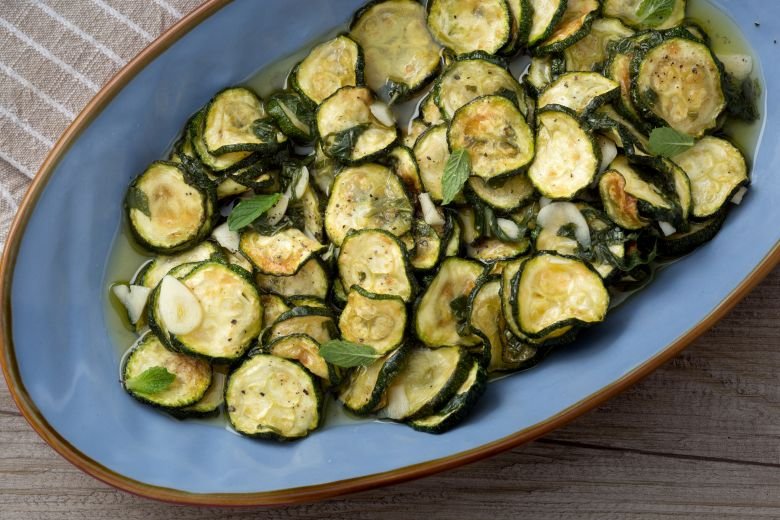
Zucchini with mint and vinegar
Zucchini doesn't have to be watery and disappointing. One Italian trick fixes everything — and these 8 recipes show exactly what to do next.

Zucchini is everywhere in American supermarkets — cheap, abundant, and almost always disappointing. It comes out of the pan watery and soft, off the grill limp and flavorless, out of the oven pale and sad. Most people assume that's just what zucchini is.
Italian cooks know otherwise. And the difference comes down to one step that most recipes skip entirely.
Before you cook zucchini — whether you're sautéing, roasting, or adding it to pasta — slice it, salt it generously, and let it sit for 15 to 20 minutes. The salt draws out the excess moisture that makes zucchini turn soggy in the pan. Then pat it completely dry with a paper towel before it goes anywhere near heat.
That's it. Dry zucchini browns properly, holds its texture, and absorbs the flavors around it instead of releasing water into them. The difference is immediate and significant.
Now here's what to do with it.
Zucchini with Mint and Vinegar is the simplest Italian contorno — sliced zucchini sautéed in olive oil until golden, then finished with fresh mint and a splash of white wine vinegar. It sounds too simple to be interesting. It isn't. The vinegar cuts through the richness of the olive oil and the mint adds something completely unexpected. This is the dish that converts zucchini skeptics.
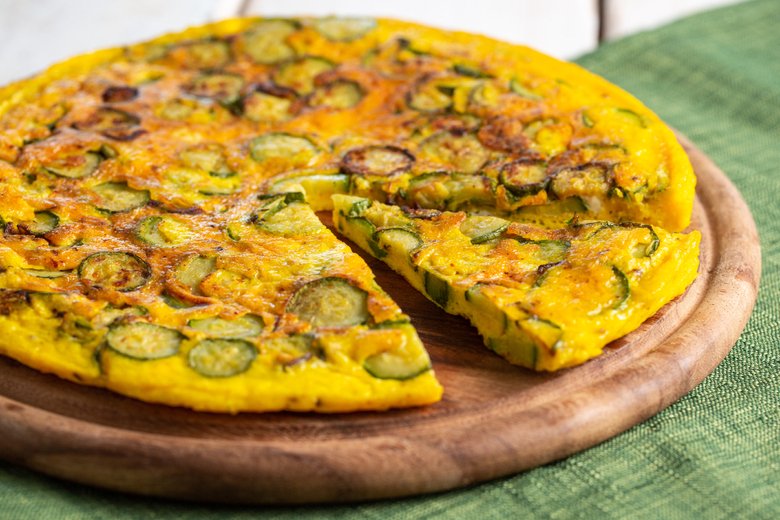
For something more substantial, Zucchini Frittata turns sliced zucchini, eggs, and Parmigiano into a golden, sliceable dish that works hot, at room temperature, or cold the next day. The salt trick is especially important here — wet zucchini makes a frittata fall apart.
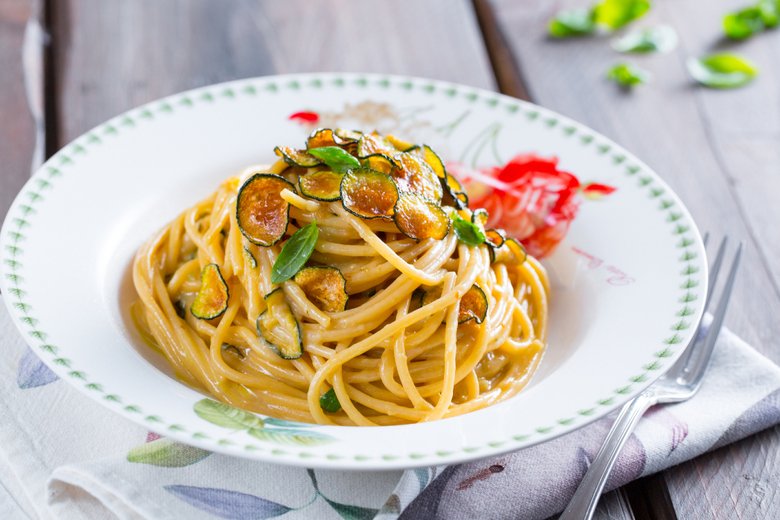
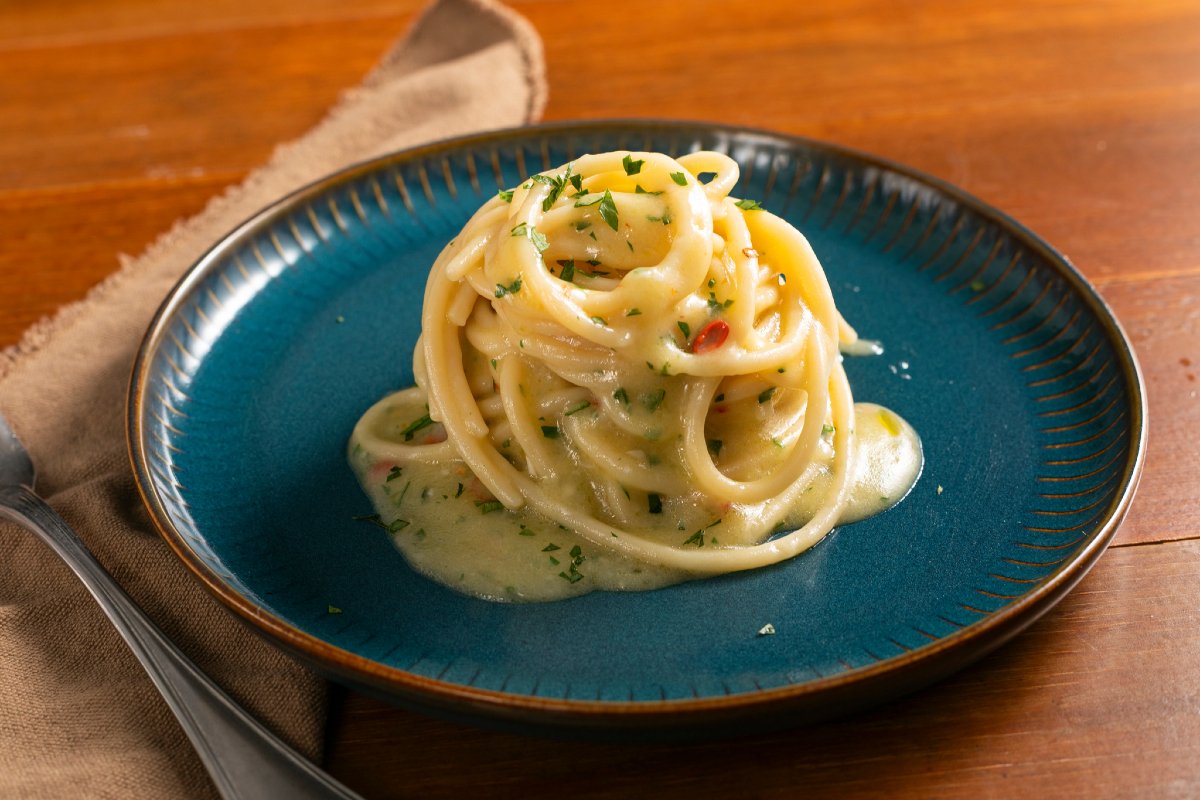
Spaghetti alla Nerano is the recipe that put Italian zucchini cooking on the map — and it went viral for a reason. Thin rounds of zucchini fried in olive oil, tossed with spaghetti, Provolone del Monaco, and Parmigiano until the cheese melts into a glossy, creamy sauce that coats every strand. It was invented in a small restaurant in the village of Nerano on the Amalfi Coast in the 1950s. It has been copied everywhere since. The original is still the best version.
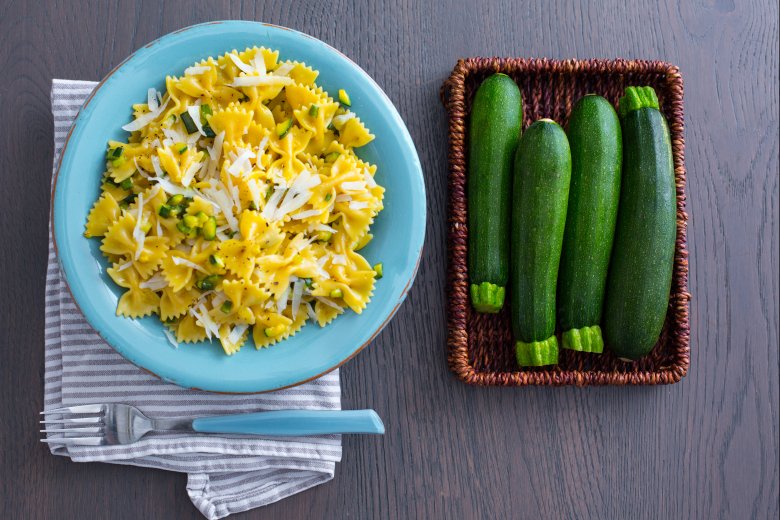
For a weeknight option, Pasta and Zucchini is the everyday classic — zucchini sautéed with garlic and olive oil, tossed with pasta and finished with basil and black pepper. Twenty minutes, five ingredients, deeply satisfying.
And if you want something unexpected, Zucchini Carbonara applies the same technique as the Roman classic — egg yolks, Pecorino, pasta water — but replaces the guanciale with golden sautéed zucchini. Lighter, seasonal, and genuinely surprising.
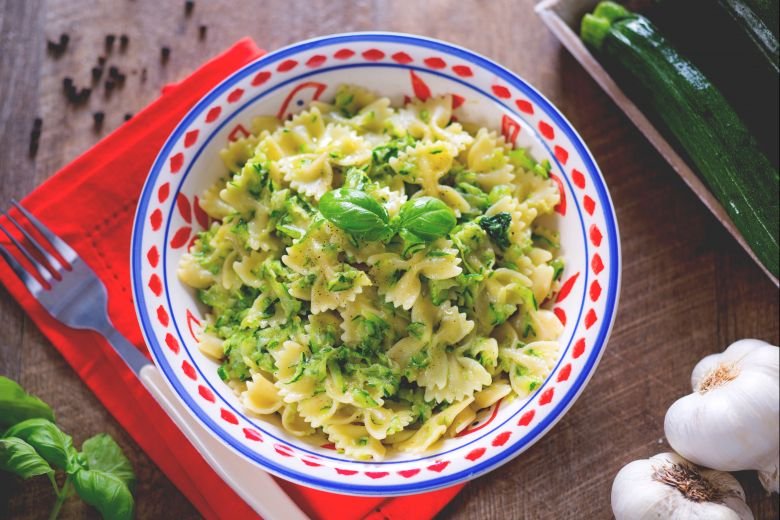
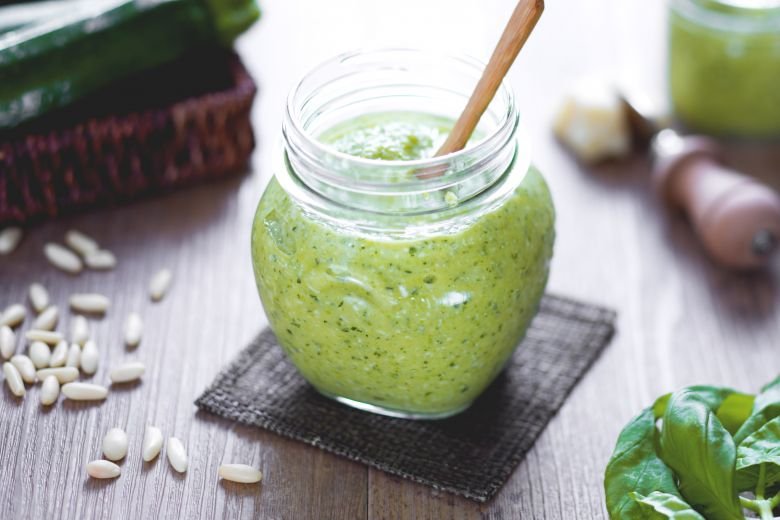
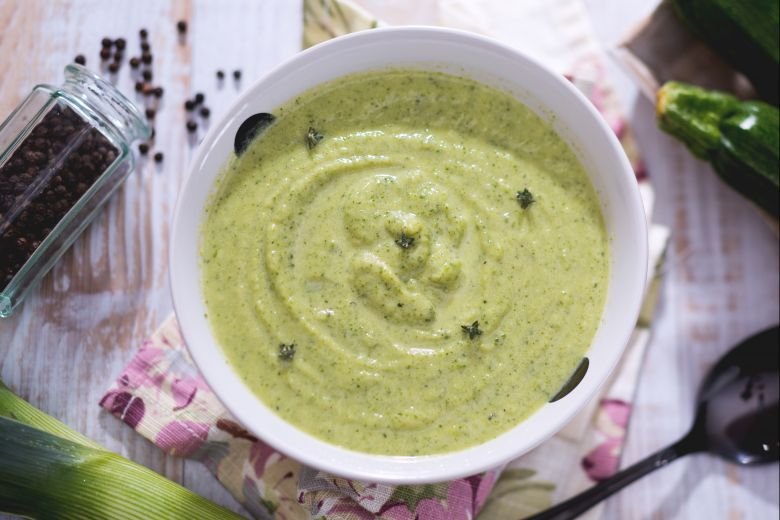
If your zucchini is starting to go soft — not rotten, just past its best — don't throw it away. Blend it. Zucchini Pesto turns overripe zucchini into a bright, creamy sauce for pasta that tastes nothing like the sad vegetable you started with. Same principle as basil pesto, completely different result. And Zucchini Velouté is the silky soup that uses up everything at once — zucchini, a little onion, olive oil, and stock, blended until smooth. Serve it warm or cold. Either way, nothing goes to waste.
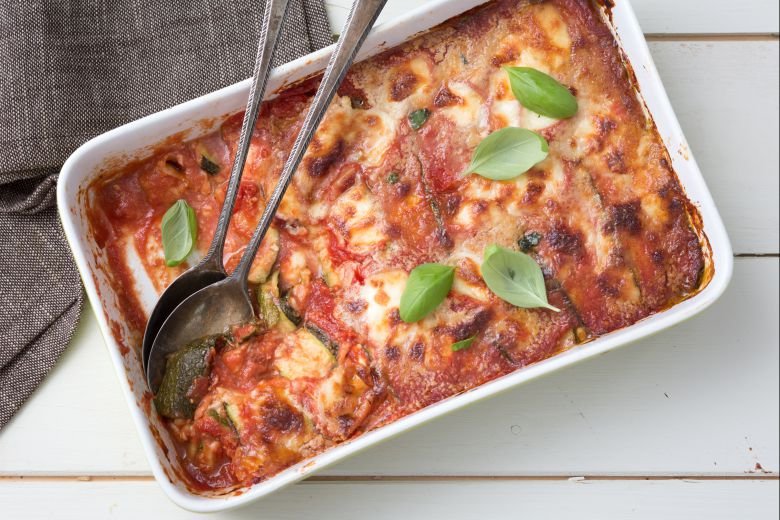
Zucchini Parmigiana is the baked version that earns its place on the table alongside the eggplant original — layers of sliced zucchini, tomato sauce, mozzarella, and Parmigiano, baked until golden and bubbling. The salt trick before baking is non-negotiable here. Without it, the whole thing turns to water.
Salt it first. Dry it well. Then cook it any way you want — it will be better every time.
Related: Stop Throwing Away Your Scraps. Italian Cooks Have a Better Idea. / The Italian Way to Eat Well Without Trying Too Hard. / This Is How Italians Shop at the Farmers Market.