

Spaghettoni with Anchovy, Pistachios, and Candied Lemon
Spaghettoni with anchovy sauce, pistachios, and candied lemon is a simple but impressive first course, ideal for a refined dinner!
- Easy
- 50 min
Salsa verde — or bagnet verd in Piedmontese dialect — exists because bollito misto needs it. The boiled mixed meats of Piedmont are rich, slow-cooked, and deeply savory, and the salsa is the sharp counterpoint that makes the whole thing work: parsley, capers, anchovies, garlic, hard-boiled egg yolks, bread crumb, and vinegar, pounded or blended into something intensely green and assertive. Without it, bollito is just boiled meat. With it, it becomes one of the great combinations in Italian regional cooking.
The anchovies and capers do most of the work — they bring salt and depth without announcing themselves — while the vinegar cuts through the fat of the meat and the egg yolk rounds out the texture. It comes together in minutes and keeps well in the refrigerator, which makes it useful beyond bollito: spooned over grilled fish, roasted vegetables, or cold leftover meat, it does the same job. If you want to explore the category further, the egg-free version is lighter and sharper, and chimichurri — the Argentine cousin that traveled from Italy with the emigrant wave of the early 20th century — shows how far the same idea can stretch.
You might also like:

To make the salsa verde, start with the Hard Boiled Eggs: bring a saucepan of water to a boil, gently lower the eggs in making sure they are fully submerged, and cook for 8–9 minutes. Once ready, drain and set aside to cool. In the meantime, prepare the bread: remove the crust and tear the crumb into small pieces 2, transfer to a bowl, pour over the wine vinegar, and leave to soak for about 10 minutes so the bread absorbs the liquid fully and releases its flavor.
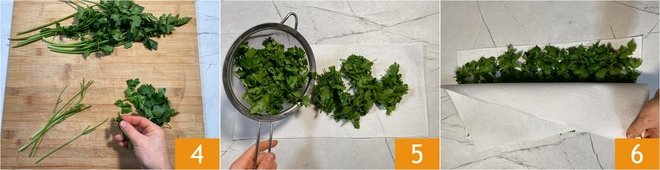
Meanwhile, strip the parsley leaves from the stems 4 — you'll need about 2.1 oz (about 1 cup). Wash thoroughly and dry completely by patting with paper towels 5 6. It's important that the leaves are fully dry to preserve the sauce's bright green color.
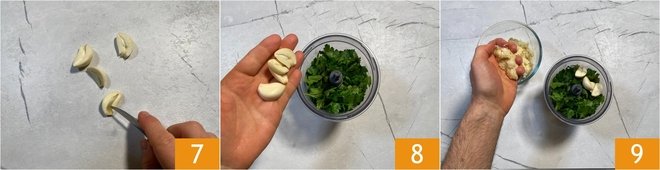
Move on to the garlic: peel the cloves, cut them in half, and remove the germ — the small central shoot that is more pungent and harder to digest 7. This step gives the sauce a more balanced, mellow flavor. Now add the parsley leaves, the garlic 8, and the bread crumb — well squeezed of excess vinegar — to a blender or food processor.
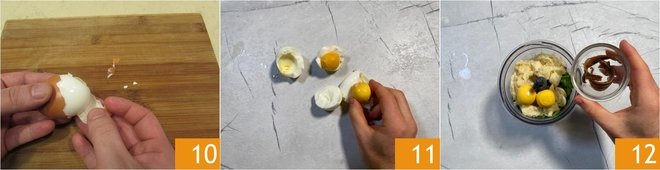
Peel the eggs 10, separate out the yolks 11, and add them to the blender along with the oil-packed anchovy fillets 12.
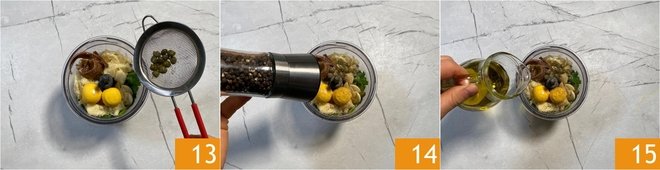
Add the capers, previously rinsed of excess salt 13, a grind of black pepper, and the extra virgin olive oil 15.
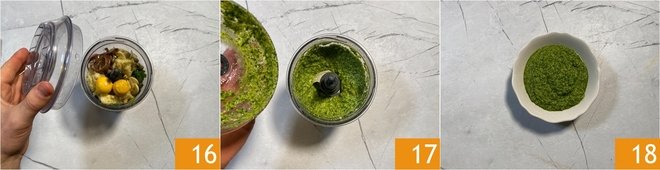
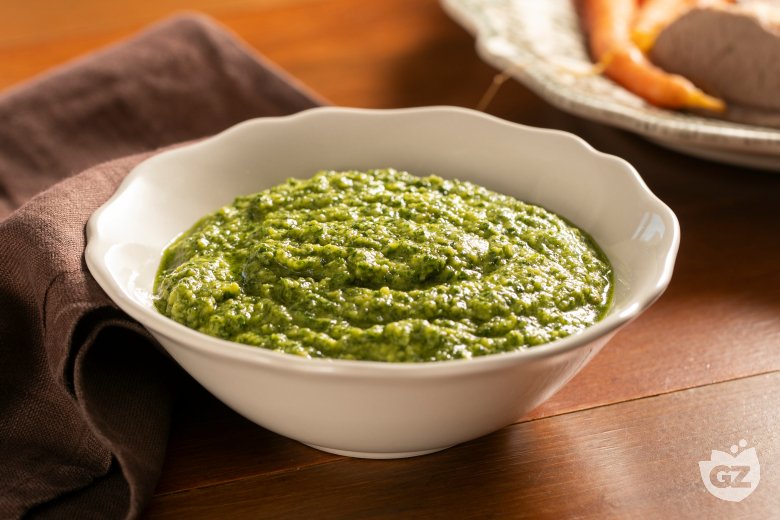
Cover with the lid 16 and blend until you have a smooth, creamy salsa verde 17 — the consistency should be soft but not too loose. If needed, add a little more oil to adjust the texture. Transfer to a bowl and serve: your salsa verde is ready to accompany bollito, roasted meats, and many other dishes from the Italian tradition 18.