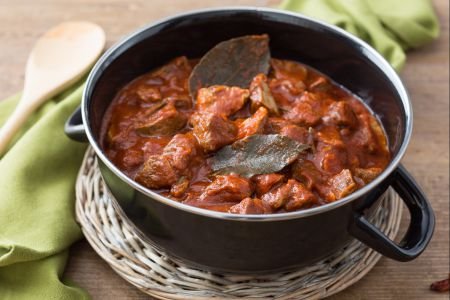
Scampi alla busara
Scampi alla busara is a simple yet tasty main course typical of Trieste: scampi in a tomato stew with parsley and chili pepper! Discover our recipe!
- Easy
- 30 min
- Kcal 74

Despite the name, Pasta alla Genovese — the genovese pasta Naples has been making for centuries — has nothing to do with Genoa. It's a Neapolitan dish — one of the oldest in the city's repertoire — and the origin of the name is still debated: some trace it to Genoese merchants who brought the recipe to Naples centuries ago, others to a cook from Genoa who worked in the city, others still to a Neapolitan neighborhood. What's not debated is the result: beef and onions cooked together so slowly and so long that the onions dissolve completely into a sweet, deeply savory sauce the color of amber.
The ratio is the counterintuitive part: more onions than meat, by a significant margin. The onions aren't a base or a background — they are the sauce. They cook down over two to three hours until there's no texture left, just concentrated sweetness and the fat and collagen released by the beef, which by that point is tender enough to shred with a fork. The meat is traditionally served as a second course after the pasta, which is how Naples originally intended it — one long cook, two separate dishes. Ziti alla genovese is the classic format; rigatoni, fusilli, or paccheri work equally well with this genovese sauce.
It's the kind of recipe that asks for time and rewards patience in direct proportion.
You might also like:
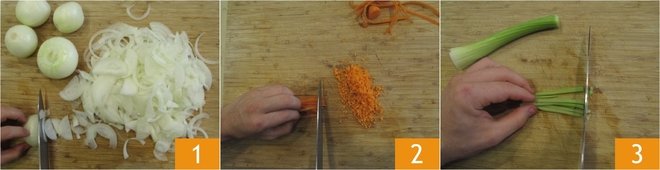
To make pasta alla genovese, start by peeling and thinly slicing the onion 1. Peel and finely chop the carrots 2. Finely chop the celery too 3, leave the tuft to one side.
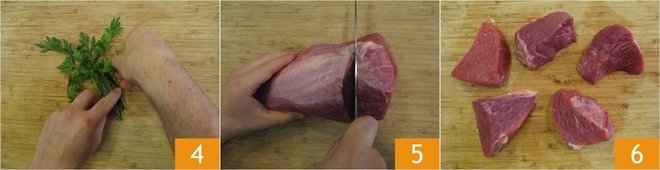
Tie the celery tuft, parsley and laurel leave together with cooking twine for a bouquet garni 4. Lastly, prepare the meat by removing any excess fat 5 and cutting it into 5 pieces 6.
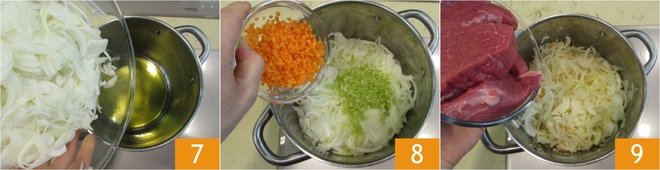
Add a generous amount of oil to a large saucepan, followed by the onions 7, the celery and the carrot 8. Leave to flavor on a low flame for a few minutes, then add the meat 9.

Add the bouquet garni 10 and a pinch of salt, stir and leave to flavor for a few minutes. Lower the flame, cover with the lid and cook for around 3 hours 11. There is no need to add water or squash because the onions will release enough liquid into the cooking sauce so that it does not dry out. However, it is important to check and occasionally stir it. Remove the bouquet garni once the 3 hours are up 12.
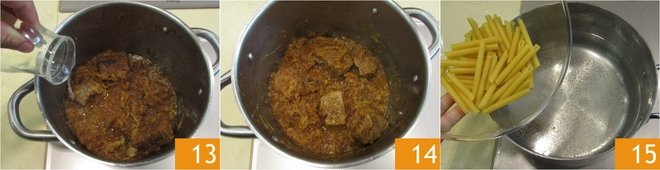
Now add part of the wine and simmer on a high flame 13. Stir and continue to cook for another hour without the lid, gradually add the remaining wine as the sauce thickens 14. Once the cooking time is up, cook the ziti in boiling salted water 15.
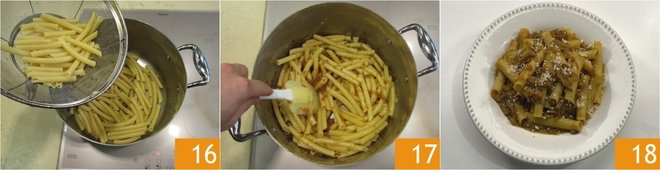
Drain the pasta when firm to the bite and place it back in the saucepan 16. Stir well to amalgamate the sauce 20, then serve your pasta alla genovese, sprinkled with some pepper and grated Parmigiano if you wish 18!